
While it is impossible to make a considered assessment of the scale of the environmental impact of the Russian invasion, previous scientific reviews (Dudley et al., 2002, Lawrence et al., 2015) have identified the range of effects of war on wildlife and habitats. Therefore, we could make certain assumptions about the destruction of the environment and the negative impact on biodiversity caused by Russian aggression on the territory of Ukraine.
The scale of military influence is extensive, covering the entire territory of Ukraine. The nature and intensity of the war is characterized by high aggression and total destruction of the environment.
Aerial bombing, use of drones, artillery shelling and all other existing types of ground combat and mining destroy not only settlements with all the infrastructure, but also the natural environment. It is safe to assume that military actions will significantly affect the state of bird populations in Ukraine.
Ukraine is internationally important for wild birds: 434 species, 18 globally threatened birds, 19 species for which the country hosts more than 15% of the European population (see the list below taken from the European Red List of Birds) an 141 Important Bird Areas covering 2.5 million hectares. All of them are under the threat of direct and indirect influence of military actions. The likely impacts are outlined below.
Habitat loss: In the zone of active hostilities (northern, eastern and southern parts of Ukraine, total area 288,266 hectares) large-scale destruction of the natural environment has already been observed:
- Large land areas of natural and agricultural landscapes are covered by numerous deep funnels from aircraft bombs, missiles and artillery shells. This destroys the habitat for birds (e.g. Grey Partridge, Skylark, Short-eared Owl and Montague’s Harrier) as well as other biodiversity.
- On wetlands, in particular in the Dnieper and Desna rivers basins, there is a disruption (in some cases significant) of the hydrological regime due to the destruction of hydraulic structures and bridges. This will reduce the area of habitats for wetland birds.
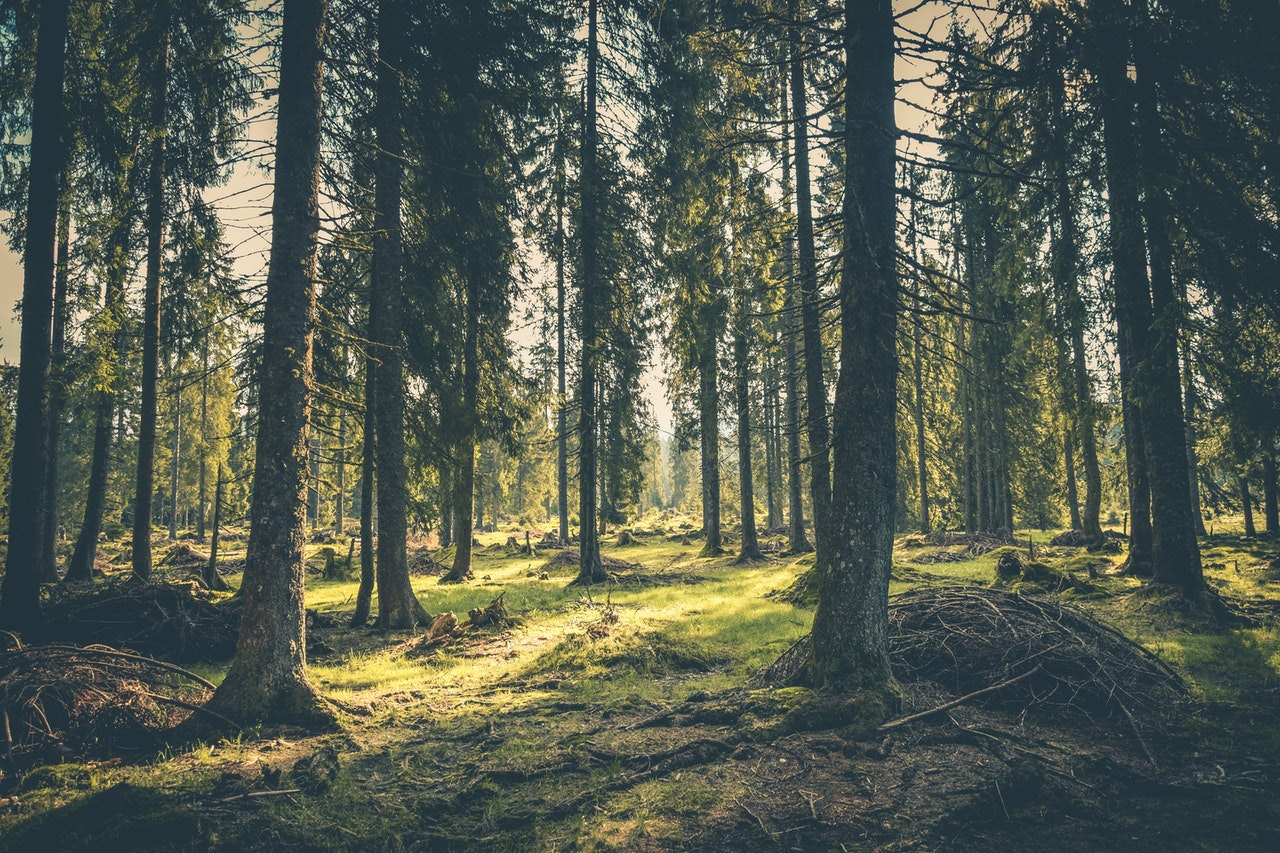
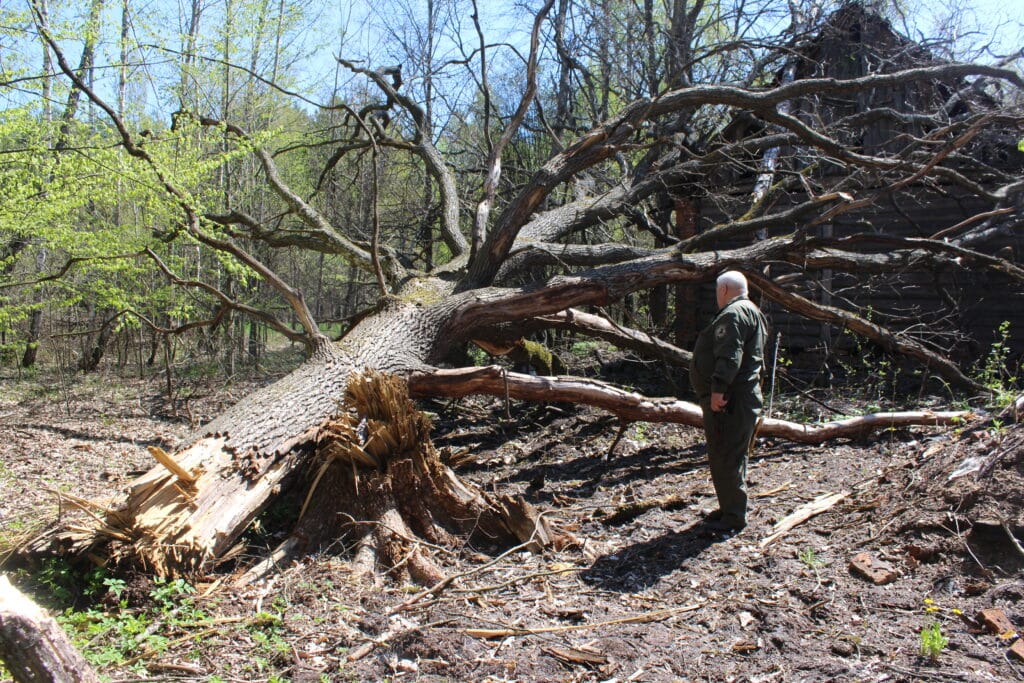
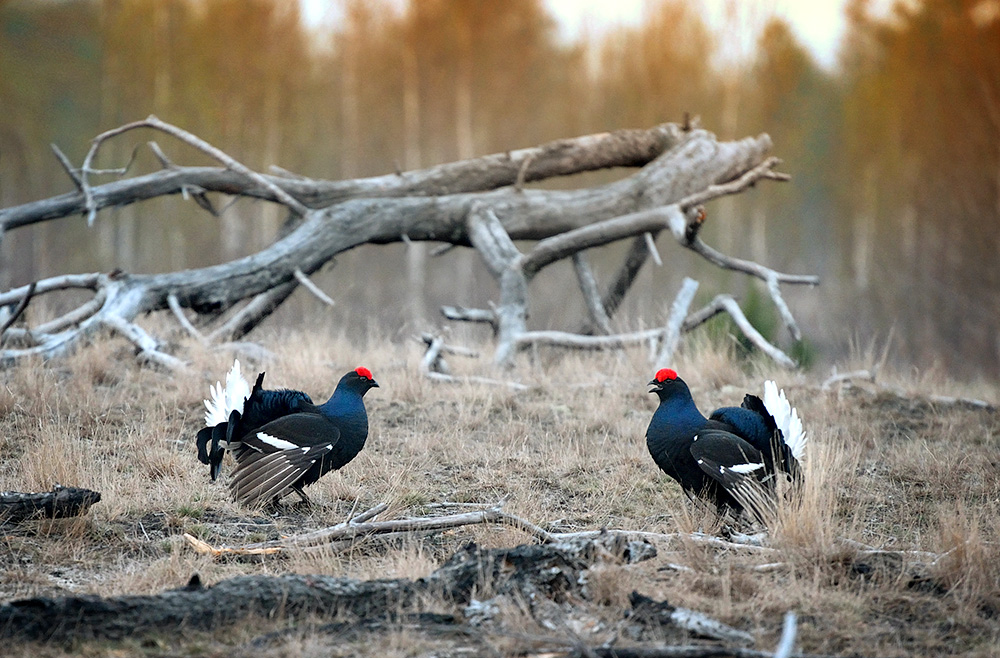
- As a result of bombings and rocket attacks, there have been large-scale forest fires (Chornobyl zone) and fires in the reed thickets in river floodplains (Azov-Black Sea region) destroying the habitats of forest bird species (e.g. Black Stork, Black Kite, Short-toed Eagle, Lesser Spotted, Black Grouse, Capercaillie, Eagle Owl, Great Grey, and Common Crane) and wetland species (e.g. Great White, Bittern, Spoonbill, Glossy Ibis, Purpe Heron, Shoveler, Gadwall, Pochard).

Loss of nesting sites: Some birds are at risk of imminent loss of nesting sites. The White Stork is particularly vulnerable to habitat loss, as its nests are located in settlements that are completely destroyed by bombing and shelling. Air strikes on farm building delayed agriculture activities and had a high impact on Little Owl because livestock farm is its main habitat on the North of Ukraine. We expect a major population decline for this species because most of the farms were destroyed in the regions of active fighting.
Local extinction: Due to the constant shelling in the area of the Black and Azov Seas bays with their islands and spits, where colonial species traditionally nest (e.g. White Pelican, Shag, Mediterranean Gull, Great Black-headed Gull, Slender-billed Gull, Caspian Tern, Little Tern and Sandwich Tern) there is a threat of local extinction with the loss of tens of thousands birds.
Disturbance: it is expected that during the war local people will start to cut forest illegally for home heating, causing disturbance to and affecting the habitats of forest-specialist species (e.g. Great Grey Owl, Tengmalm’s Owl and Black Stork).
Habitat pollution: intensive contamination of the territory with the components of mines, bombs, artillery shells, agricultural chemicals from destroyed warehouses will have a strong negative impact on biodiversity and, in particular, birds through poisoned food sources.
Hunting pressure: it is possible that the hunting pressure of the local population on large birds (e.g. geese, Black grouse, Capercaillie, Hazel Grouse, Mallard, Pochard and Teal) may increase due to food shortages during the occupation blockade.
After the war a thorough assessment of the overall environmental impacts will be needed to identify targets for future conservation activity, including clean-up operations. Long term prospects for Ukrainian wildlife will depend on re-establishment of effective management of protected areas, habitat restoration and sustainable management of the country’s farmed landscapes.
Finally, reconnecting people to nature (especially young people) will be incredibly important for psychological healing to help people recover from the war trauma.
USPB and its partners stands ready to support the Ukrainian Government to reinvigorate a conservation programme to restore our cherished landscapes for people and for wildlife.
——————————-
Credit: Source link

